The Gettysburg Address Animated
Fantastically well done animation of Lincoln’s most famous and moving address.
via Neatorama .
Fantastically well done animation of Lincoln’s most famous and moving address.
via Neatorama .
Amazing article in the Atlantic Monthly on Lonnie Johnson the self-made, independent inventor who not only invented the Super-Soaker water gun but just may have such a revolutionary approach to a solar powered heat engine that he may just have made solar power produce energy so efficiently it is competitive with coal.
It’s not just his JTEC that is amazing. Read the biographical info mixed in on an astoundingly interesting guy and a rare breed these days amongst inventors.
Those who know me from the year I lived aboard the Neilali will know that the whole point of having a boat was never about the sailing; it was about the freedom. I absolutely love these guys who fixed up a crap boat and sailed around the Bahamas like maniacs just enjoying life. So great.
You can grab the entire documentary from their site or watch the embed via Vimeo.
Have to admit it’s got me thinking of a boat again.
Rapture is a gorgeous time-lapse video trailer by astronomy photographer of the year Tom Lowe. The trailer looks absolutely breathtaking combining Southwestern scenery and the stars. Um, definitely watch this in HD and put it on full screen. Wow.
via Geeks are Sexy .
Great list of paradoxes on the use of cloud computing from the always insightful O’Reilly Radar. We use cloud services heavily at GetUp, mostly because we have no real infrastructure and try to avoid long-term investment to stay lean, but these are excellent thought exercises to go through if you’re the CIO/CTO of your org.
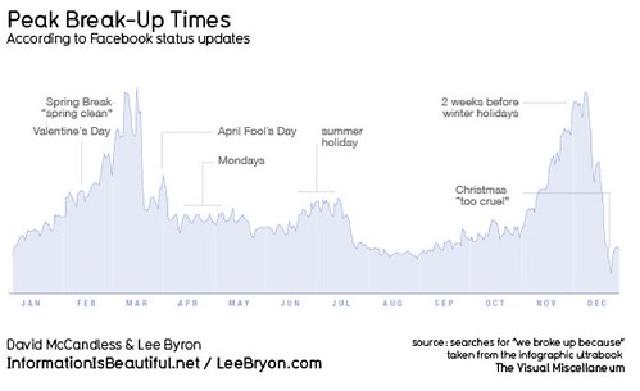
I love the Information is Beautiful guy. Fabulous infographic on breakups from facebook data. I wonder if they could do a similar “quit/fired/changed my job” infographic. Would be equally interesting.
FedEx has come up with an amazing morphing world data map dead link, pulling data from the Economist Intelligence Unit showing how specific figures change the shape of the world. Interesting comment on our changing world.
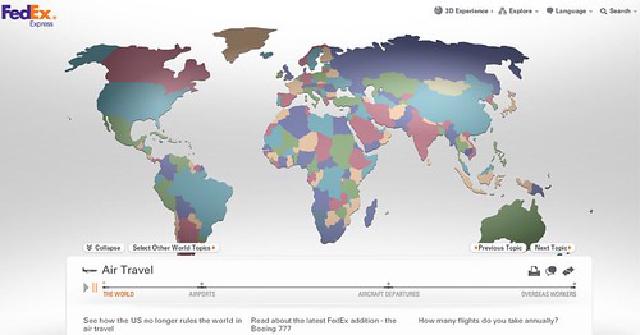
Has some nice factoids on the loading animation as well (though it is a bit tardy to load, at least here in Aus). Make sure to hit “Next Topic” when each “reel” is done since some of them are damn fascinating.
I’m a big fan of the MacArthur Foundation’s “Genius grants” . Besides the instant recognition they confer, sometimes on obscure individuals, I’ve always just loved the idea. Why? Because it’s not a reward so much as a vote of confidence in what they’re going to do. And it’s no strings attached. It’s creating freedom for creativity and brilliance unhindered by money worries. Time pressure is the enemy of creativity.
Julia Kirby of the HBR asks a good question: Why not just award your own genius grants ?
This idea was floated by Third Way in the US, but totally love this idea for Canada as well (hell, even Aussies). Canadians rarely have a clue about where their tax dollars go to provide some of the excellent services they enjoy.
Corn syrup, milk chocolate, sugar, cocoa butter, coconut, almond, soy lecithin… any consumer can read these ingredients and their nutritional value on every package of a 75-cent Almond Joy. What is provided to a taxpayer with a $5,400 tax bill? Nothing. For many Americans, the amount they pay in taxes is larger than any purchase they make during the year, but studies show they know almost nothing about where that money goes to. This contributes to ridiculous beliefs, like the view that 20% of government spending goes to foreign aid, for example. An electorate unschooled in basic budget facts is a major obstacle to controlling the nation’s deficit, not to mention addressing a host of economic and social problems. We suggest that everyone who files a tax return receive a “taxpayer receipt.”
Fantastic essay. The Singularity won’t be Heaven by Annalle Newitz on how the belief that technology will save us by transcending human limitation and misery on an imagining of today’s technologies isn’t going to happen. Brilliant and spot on with her insight that we often believe technology will go far enough to benefit us, and then stop before it disrupts us… “the future is not the present on steroids.”
Love her observation on how the Victorian belief in the power of industrialization would save all humanity (despite Malthus) in much the same way we look at technology, popularized in things like Star Trek, as being able to save us as we progress. Love the idea of insufficiently weird predictions of how technology will change us just being wrong.