Posts

  • The switch (back) to vim

    While I have to thank TextMate for being the editor that was my gateway drug into Rails (and back into programming), I kept having loads of issues with it (while I still think it’s hands down better than any of the new editors I’ve seen and much prefer it to a host of IDEs): It crashed pretty regularly, I found it slow and had to wait for it quite often, I was constantly switching between it and the command line and project searches beachballed all. the. time. I also have to admit to having had more than a little bit of guilt that I’d added yet another Mac-only title to my list of software. Somewhere in the back of my head I still keep trying to convince myself I’ll move back to Linux… someday cough. (Note that my purpose here isn’t to wail on Textmate. It is a great piece of software and I do owe it a debt. I just decided I needed to move past some of the limitations I’d been experiencing.).

  • Isle of Tune

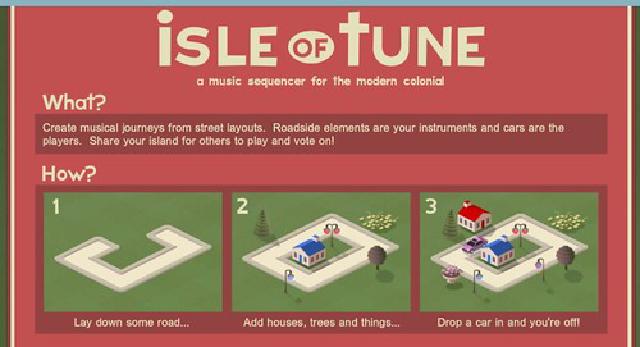
    This is amazingly fun. Think of a musical SimCity. Isle of Tune is a music sequencer that let’s you build a virtual roadway and line it with trees, lamp posts, houses and such that produce different sounds as you pass them in the car(s).

    Isle of Tune

    Phenomenal idea, though much like the person who pointed me at it, I had more fun checking out other peoples’ creations - some of which are amazing - than building my own.

  • Visualizing Girl Talk

    And moving on from facebook visualizations yesterday, a wicked look at the mashup artist Girl Talk’s last album.I wish I’d found this, but this came from my friend @anu . Awesome. First off, if you haven’t grabbed Girl Talk’s mashup album, you can grab it here (and pay for it later or not, but this guy seriously deserves some cash for his efforts, dontcha think?).

    This amazing interactive interface from Mashupbreakdown shows you while the song is playing where those mashed up tracks are coming from. A brilliant way to represent it. I so wish you could interactively remove tracks from the mashup though to see how the thing is put together. So very cool though.

  • Visualizing Facebook's Social Graph

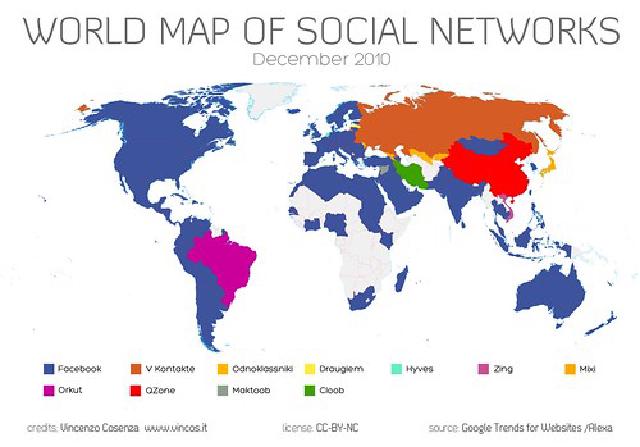
    Wow, this is pretty impressive. An intern at facebook decided to do some major data crunching to visualize and answer questions about how people connect to each other and how local they are. Super interesting (if not surprising) visualization of how we connect to each other through the ubiquitous fb.

    Facebook’s global social graph

    It’s kind of amazing (anyone else struck by how facebook is still a very “first world” problem. This would be a cool thing to release for individuals to check out their map of the world as well I think (I know how obsessed I am with collecting pins on my world map in iPhoto since they introduced the feature. So sad.

  • Installing a Hudson CI Server on Amazon EC2 with Cucumber and Capybara and Github integration

    Continuous integration is key to good development practices if you’re a team any larger than, well… one. But spinning up a CI server is still an exercise fraught with peril.

    Add in getting one up for Rails that can deal with Cucumber and capybara testing (needing a browser for js testing) and rspec and if you don’t have someone with solid sysadmin skills, most teams throw up their hands. Also, if you’re doing this for short duration projects (yeah, I’m looking at you RailsRumble and Hack weekends), you really want something that you can spin up or down at will and not have serious iron dedicated to doing this. We chose to put ours on Amazon’s EC2. We chose Hudson, a rather excellent java CI server despite my personal feelings about java (and also the excellent hudson ruby gem that makes running it locally no effort at all).

  • Anonymous and the Low Orbit Ion Cannon

    I was surprised the other day talking to some tech friends who weren’t aware of Anonymous and especially were intrigued about how they managed to take down the sites of both MasterCard and Visa in response to their blocking funds (in my opinion, unethically, since Wikileaks nor Julian Assange have been convicted of any crimes) to Wikileaks. The friends hadn’t heard about the campaign Anonymous had conducted against Scientology and the RIAA either or, more importantly, the all powerful weapon in their arsenal, the Low Orbit Ion Cannon< or LOIC.

  • How Not to Cock Up Open Data

    Great post on how not to cock up open data and how amazing it is to be even having a conversation about it at all.

    1. Argue for it as a numbers game. Not all gov data sets will yield huge value, but some definitely will
    2. Cease tinkering around and build something useful as a service
    3. Obsessively gather information on what value is generated by people using the data
    4. Keep an eye on public servants who might inadvertently share private or sensitive data
    5. Mistakenly insisting that Government really should be in the business of publishing everything non-private it can

    Great list actually. I really, really need to get down to some of those Gov 2.0 hack days going on in Canberra and Sydney.

  • Singing Fingers

    One of the things I absolutely love about the iPad is all the mind blowing melding of interface and things you just never see combined like music, sound and visuals. OK, how can anyone not like fingerpainting sound? I mean, why have people not been screaming at me about this. So cool. Oh, and Singing Fingers is free. Download now . I am having much fun with it. Absolutely brilliant.

    Oh, and works on the iPhone and iPad, but so much nicer on the iPad with the extra screen real estate.

  • Why cuts are the wrong cure

    Great campaign ad from FalseEconomy.co.uk on how the British government’s severe austerity choices are liable to stall the economy and make the crash worse rather than deal with some of the real issues we could use it to deal with - and also how those measures will unfairly impact the poor and average earners rather than those who caused the financial crash. Great video.

    via GetUp’s Oli .